
The FDA has been increasingly vocal about its concerns regarding these unapproved products. What exactly makes them so risky? For starters, there’s the issue of uncertain dosages. When you buy a medication from an unregulated source, there’s no guarantee that the active ingredient is present in the stated amount – or even present at all. You could be getting a dangerously high dose, an ineffective low dose, or something entirely different. Then there are the harmful impurities. Without strict manufacturing controls, these products can contain contaminants that could lead to severe health complications. We’re talking about substances that have no place in a pharmaceutical product, potentially introduced during shoddy production processes.
And let’s not forget the misleading marketing. These unregulated entities often use deceptive tactics to sell their products, making unsubstantiated claims about efficacy and safety. They might mimic the names or packaging of approved drugs, creating confusion and luring unsuspecting consumers. The allure of a cheaper, readily available alternative to prescription medications is strong, but the potential consequences of ingesting an unknown substance are terrifying. It’s a classic case of ‘buyer beware,’ but with potentially life-threatening stakes. The FDA’s ongoing efforts to flag and warn against these products are crucial, but the sheer scale of the problem means vigilance from both regulators and consumers is absolutely essential. (See: CDC on obesity and weight management.)
Censorship in Advertising: When Marketing Crosses the Line
Adding another layer of complexity to the GLP-1 saga is the crackdown on advertising. In the UK, the Advertising Standards Authority (ASA) has taken a firm stance, banning the first ads for oral weight-loss medicines. This isn’t an arbitrary decision; it reflects a growing concern about how these powerful medications are being marketed to the public. There’s a fuller look at This drug’s potential vs. surgery.
The core issue is the promotion of unlicensed or prescription-only products directly to consumers. Medications like GLP-1 agonists are not over-the-counter drugs. They require a doctor’s prescription because they have specific indications, potential side effects, and contraindications that need to be carefully evaluated by a healthcare professional. Advertising these drugs directly to the general public, especially in a way that downplays risks or overstates benefits, can lead to inappropriate use, self-diagnosis, and potentially harmful outcomes. For more context, see personalized medicine advancements.
The ASA’s actions highlight a broader ethical dilemma in pharmaceutical marketing: how do you inform the public about new treatments without encouraging misuse or creating unrealistic expectations? For a Pfizer weight loss drug, or any similar medication, the distinction between raising awareness and actively promoting a prescription-only product is incredibly important. The regulatory bodies are essentially saying, ‘We understand the public interest, but these are serious medications, and their introduction should be managed by healthcare providers, not by persuasive advertising campaigns aimed at the general public.’ This ban serves as a crucial reminder that while the demand for weight-loss solutions is high, the responsible dissemination of information about such treatments must remain paramount.
Legal Storm Clouds: Lawsuits Against Eli Lilly and Novo Nordisk
As if regulatory scrutiny and advertising bans weren’t enough, the leading GLP-1 manufacturers, Eli Lilly and Novo Nordisk, are now grappling with a wave of lawsuits. These aren’t minor complaints; hundreds of legal actions allege that their popular weight-loss drugs, including Ozempic, Wegovy, Mounjaro, and Zepbound, have caused severe and permanent eye damage and vision loss. This is a truly concerning development that could have significant implications for the future of these medications.
The allegations center on claims that the manufacturers failed to adequately warn patients and doctors about these potential risks. While GLP-1 drugs have been associated with various side effects, severe ocular damage is a particularly distressing and less commonly discussed complication. If these claims are substantiated, it could lead to substantial financial liabilities for the companies and, perhaps more importantly, erode public trust in these otherwise highly effective treatments.
It’s important to remember that legal battles like these are complex and often protracted. The plaintiffs will need to demonstrate a direct causal link between the drugs and their vision problems, as well as prove that the manufacturers were negligent in their duty to warn. Conversely, the pharmaceutical companies will likely argue that their warnings were sufficient, or that other factors contributed to the plaintiffs’ conditions. Regardless of the ultimate outcome, the sheer volume of these lawsuits is a red flag. It forces a deeper examination of the long-term safety profile of GLP-1 drugs and emphasizes the critical importance of comprehensive post-market surveillance and transparent communication of all potential risks, no matter how rare they may seem initially.
Beyond Weight Loss: GLP-1s and the Surprising Promise in Addiction Treatment
Amidst the challenges and controversies surrounding weight loss applications, GLP-1 medications are also revealing a fascinating and entirely unexpected therapeutic potential: addiction treatment. Early research and anecdotal reports suggest these drugs may significantly reduce cravings for substances like alcohol and opioids. This is truly groundbreaking and could open up entirely new avenues for addressing one of the most intractable public health crises of our time.
How might GLP-1s exert this effect? The prevailing theory points to their action on brain pathways involved in reward-seeking behavior. GLP-1 receptors aren’t just found in the gut and pancreas; they’re also present in various regions of the brain, including those associated with dopamine release and the brain’s reward system. By modulating these pathways, GLP-1 agonists might dampen the intense pleasure and reward signals that drive addictive behaviors, making substances like alcohol or opioids less appealing.
Imagine a scenario where a medication could not only help someone manage their weight but also reduce their desire to drink heavily or use illicit drugs. The implications are enormous. While this research is still in its early stages, the preliminary findings are compelling enough to warrant significant further investigation. This surprising dual utility could redefine our understanding of metabolic hormones and their far-reaching effects on brain function and behavior. It’s a powerful reminder that scientific discovery often leads us down unexpected and incredibly promising paths. (See: New York Times on weight-loss drugs.)
The Science Behind the GLP-1 Revolution: A Deeper Dive
To truly appreciate the impact of GLP-1 drugs, it’s worth understanding the core science. GLP-1, or Glucagon-Like Peptide-1, is a natural hormone produced in the gut in response to food intake. Its primary roles include stimulating insulin secretion, suppressing glucagon release (which raises blood sugar), slowing gastric emptying, and promoting a feeling of fullness or satiety in the brain. The brilliance of GLP-1 receptor agonists is that they mimic and amplify these natural effects.
For individuals with type 2 diabetes, this means better blood sugar control. For weight loss, the key mechanisms are the delayed gastric emptying, which keeps you feeling full for longer, and the direct action on brain satiety centers, which reduces appetite and food cravings. This combination leads to a significant reduction in calorie intake without the conscious struggle often associated with dieting. Unlike older weight-loss drugs that often targeted single pathways with sometimes severe side effects, GLP-1s offer a more physiological approach, leveraging the body’s own regulatory systems. For more context, see student loan crisis implications.
The development of these drugs, from exenatide (the first GLP-1 agonist, derived from Gila monster saliva!) to the current crop of highly effective compounds like semaglutide and tirzepatide, represents decades of meticulous research. Each iteration has aimed to improve potency, duration of action, and tolerability. The challenge, as Pfizer’s experience with its oral weight loss drug shows, is continuously refining these compounds to achieve the optimal balance of efficacy, safety, and patient convenience. It’s a testament to human ingenuity in harnessing biological mechanisms for therapeutic benefit.
The Future of Obesity Treatment: What’s Next After the Pfizer Weight Loss Drug Setback?
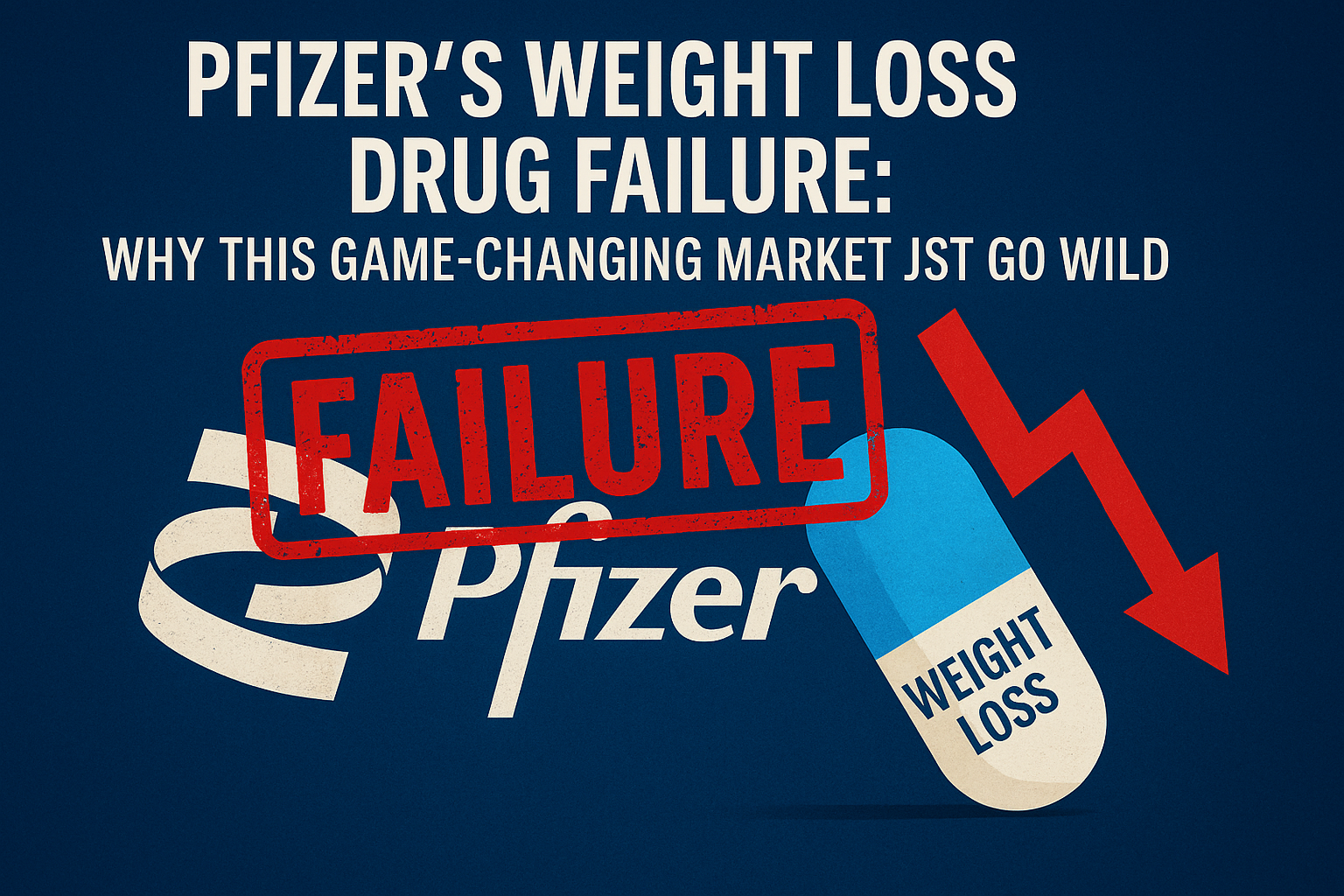
While Pfizer’s recent halt on a specific oral weight-loss drug candidate might seem like a setback for the company, it’s far from a death knell for the obesity treatment market. In fact, the market is more vibrant and competitive than ever. Other pharmaceutical companies are actively developing new GLP-1 agonists, as well as drugs that target multiple pathways (like GLP-1 and GIP, or GLP-1 and glucagon). These ‘multi-agonists’ aim to achieve even greater weight loss and metabolic improvements by hitting several hormonal targets simultaneously.
The focus is also shifting towards improving the patient experience. Beyond oral formulations, researchers are exploring longer-acting injectables (perhaps once a month instead of weekly) and even novel delivery systems. The goal is to make these life-changing medications as accessible and as easy to integrate into daily life as possible. Furthermore, there’s a growing understanding that obesity is a complex, chronic disease requiring a holistic approach. Medications are powerful tools, but they work best when combined with lifestyle interventions, nutritional guidance, and psychological support. See also Retatrutide’s impact on semaglutide.
The future of obesity treatment will likely involve a personalized approach, where doctors can choose from a wider array of medications and strategies based on an individual patient’s unique biological profile, comorbidities, and preferences. The Pfizer weight loss drug situation, while disappointing for that specific compound, merely signals a continuous evolution and refinement within a field that is still very much in its infancy of realizing its full potential.
Navigating the Hype and Hope: A Patient’s Perspective
For individuals struggling with obesity, the news surrounding GLP-1 drugs can feel like a rollercoaster. There’s immense hope for effective treatment, but also confusion from the conflicting headlines: breakthrough drugs, unapproved products, legal battles, and now a major player like Pfizer pulling back on a promising candidate. How do you, as a patient or someone considering these treatments, make sense of it all?
First and foremost, informed decision-making is critical. Always consult with a qualified healthcare professional. They can assess your individual health profile, discuss the appropriate treatment options, and help you understand the benefits and risks of approved medications. Avoid the temptation of ‘quick fixes’ or unregulated products advertised online or through social media. The risks associated with unverified drugs are simply too high to gamble with your health. (See: NIH study on weight-loss drugs.)
Secondly, temper expectations with realism. While GLP-1 drugs are incredibly effective, they are not magic bullets. They are tools that, when used appropriately and often alongside lifestyle changes, can lead to significant and sustained weight loss. Understanding that a Pfizer weight loss drug, or any other, is part of a broader health strategy, rather than a standalone solution, is key to long-term success. The journey to better health is personal, and finding a trusted medical partner to guide you through the scientific advancements and practical considerations is perhaps the most important step you can take.
Economic and Societal Impact: Beyond the Prescription Pad
The rise and evolution of GLP-1 drugs have profound economic and societal implications that extend far beyond the individual patient and the pharmaceutical companies. From healthcare costs to public health initiatives, these medications are reshaping our collective approach to chronic diseases.
Consider the economic burden of obesity and related conditions like type 2 diabetes, heart disease, and certain cancers. These conditions cost healthcare systems billions annually. If GLP-1 drugs can effectively reduce obesity rates and improve metabolic health, the long-term savings in healthcare expenditures could be substantial. This potential drives significant investment in research and development, despite setbacks like the Pfizer weight loss drug withdrawal. Insurers are also grappling with how to cover these expensive medications, balancing their high upfront cost with the potential for long-term health benefits and cost reductions.
Societally, these drugs are also forcing a re-evaluation of how we perceive and discuss obesity. For too long, obesity has been framed purely as a matter of willpower or personal responsibility. The scientific understanding of its complex hormonal, genetic, and environmental underpinnings, heavily reinforced by the efficacy of GLP-1s, is shifting this narrative towards recognizing it as a chronic disease requiring medical intervention. This shift is crucial for reducing stigma and improving access to care. The surprising link to addiction treatment also opens up new dialogues about shared neurological pathways and integrated care models for metabolic and mental health conditions, promising a future where these interlinked health challenges can be addressed with greater nuance and effectiveness.
The pharmaceutical landscape, particularly concerning weight-loss medications, is a dynamic and often turbulent space. Pfizer’s decision to halt development on a particular oral weight-loss drug candidate, while undoubtedly a blow to that specific project, is a natural part of the rigorous drug development process. It underscores the high bar for safety and efficacy in a market where patient well-being is paramount. Alongside this, the ongoing regulatory battles against unapproved GLP-1s, the legal challenges facing market leaders, and the surprising new applications in addiction treatment paint a vivid picture of a field in constant flux. What’s clear is that the journey to conquer obesity and related metabolic disorders is far from over, and the path ahead, though bumpy, promises continued innovation and profound impact on global health. For more on this, see The rise of unregulated weight loss options.
Frequently Asked Questions
Why did Pfizer halt its weight loss drug development?
Pfizer announced it was stopping the development of its oral GLP-1 receptor agonist due to the complex challenges associated with bringing innovative obesity treatments to market. This decision highlights the difficulties even major pharmaceutical companies face in the evolving weight-loss drug landscape.
What are GLP-1 weight-loss drugs?
GLP-1 weight-loss drugs are medications that mimic the natural hormone glucagon-like peptide-1, which helps regulate appetite and blood sugar levels. They have gained popularity for their effectiveness in weight management and diabetes treatment, with notable examples being Ozempic and Wegovy.
What impact does Pfizer’s decision have on the weight loss drug market?
Pfizer’s decision to halt its weight loss drug development underscores the challenges in the pharmaceutical industry and may create uncertainty in the market. This move could influence investor confidence and affect the ongoing competition among companies developing similar obesity treatments.
What are the challenges in developing weight-loss medications?
Developing weight-loss medications involves numerous hurdles, including regulatory concerns, safety testing, and demonstrating efficacy. The complexity of human metabolism and varying individual responses to treatment further complicate the process of bringing effective obesity drugs to market.
How do GLP-1 drugs compare to traditional weight loss methods?
GLP-1 drugs offer a pharmacological approach to weight loss, targeting appetite regulation and blood sugar levels, which differs from traditional methods like diet and exercise. They have shown significant results in clinical trials, making them a revolutionary option for individuals struggling with obesity.
Agree or disagree? Drop a comment and tell us what you think.