

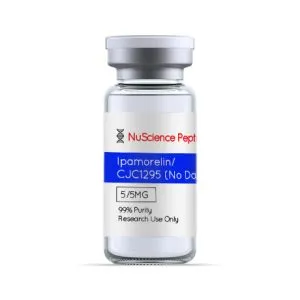
WASHINGTON — In its third coordinated warning on the same day, the U.S. Food and Drug Administration has flagged yet another direct-to-consumer peptide supplier, this time targeting the operators of nusciencepeptides.com for marketing a sweeping inventory of unapproved injectable drugs—including cutting-edge, experimental weight-loss candidates that have not yet cleared clinical trials.
The warning letter, issued on August 24, 2026 (Reference Number: 733652) to Joseph and Ratsamy DeRosa, follows a July 2026 review of their website. It signals a concerted, multi-front push by the agency to shut down online storefronts cashing in on consumer fervor for metabolic and lifestyle peptides.
Among the unapproved drugs cited in the letter are copycat versions of blockbuster therapeutics, as well as molecules still under development by major pharmaceutical manufacturers:
- GLP-2 Tirz Peptide (tirzepatide)
- GLP-1 Sema Research Peptide (semaglutide)
- GLP-3 RT (Retatrutide)
- Survodutide and Mazdutide (dual-agonist drug candidates currently in late-stage clinical development)
- PT-141 Peptide (bremelanotide)
- Tesamorelin and a Tesamorelin/Ipamorelin Blend
- Bacteriostatic Water for Peptides (BAC Water)
Closing the ‘Research Use’ Loophole
NuScience Peptides marketed its catalog as intended strictly “for laboratory, research, and analytical use” and “not intended for human or veterinary use.” However, the FDA’s inspection found that the site’s own text consistently highlighted human therapeutic outcomes, citing cardiovascular protection, weight loss, liver fat reduction, and cognitive improvements. In one case, the site even linked directly to an external database describing semaglutide’s mechanisms for appetite suppression and plaque reduction in heart disease.
Regulators also pointed to the site’s paired sales of bacteriostatic water and an on-site “peptide calculator.” Under FDA scrutiny, providing a reconstitution solvent alongside a tool calibrated to calculate human injection dosages dismantled any credible claim that the vials were purely intended for in vitro petri dishes or rodent cages.
The business owners have 15 business days to submit a written response outlining corrective actions or risk federal product seizures and injunctions.
Why the FDA Is Aggressively Cracking Down on Peptide Companies
This latest flurry of enforcement actions reflects a strategic pivot by federal regulators to dismantle an underground ecosystem that has grown exponentially alongside the popularity of GLP-1 drugs.
- Explosion of the DIY “Research Chemical” Gray Market: Surging consumer demand, steep retail prices, and recurring supply shortages for brand-name obesity and diabetes drugs (like Ozempic, Wegovy, and Mounjaro) have driven desperate consumers toward online gray-market vendors. Online operators exploited “research only” disclaimers as a legal loophole, quietly selling raw peptide vials to retail buyers looking to self-medicate at home.
- Severe Risks Inherent to Injectables: The FDA’s primary public health trigger is the route of administration. Because peptides must be injected subcutaneously or intravenously, they bypass the digestive tract’s natural protective barriers and acid defenses. Vials produced outside regulated, sterile pharmaceutical facilities pose severe risks of endotoxin exposure, heavy metal contamination, incorrect concentrations, and life-threatening microbial infections.
- Preempting the Next Wave of Unapproved Pipeline Drugs: The crackdown is no longer limited to semaglutide and tirzepatide clones. Vendors have begun manufacturing and distributing next-generation molecules—such as retatrutide, survodutide, and mazdutide—before global clinical trials are even complete and before the scientific community has fully established their human safety, long-term toxicity, or side-effect profiles.
- Establishing Clear Legal Precedent on “Intent”: By targeting bundled products like bacteriostatic water, reconstitution guides, and dosage calculators, the FDA is systematically dismantling the gray-market legal defense. The agency is establishing a clear legal record: if a vendor sells the tools and instructions needed for human injection, federal courts will treat the goods as unapproved new drugs, regardless of any “not for human use” labels slapped on the vial.
Read the complaint https://www.fda.gov/inspections-compliance-enforcement-and-criminal-investigations/warning-letters/nuscience-peptides-llc-733652-08242026